Farm and Agricultural Jobs in Australia With Visa Sponsorship: The Complete 2026 Guide
In 2026, the image of Australian farming has undergone a high-tech revolution. While the “sun-drenched fruit picker” still exists, the real opportunities for international workers now lie in Precision Agriculture. As the Australian government pushes for a $100 billion agricultural output by 2030, the demand for skilled farm workers, managers, and technicians has reached a critical boiling point.
If you have experience in livestock management, large-scale cropping, or ag-tech, you are no longer just a laborer; you are a vital asset in Australia’s food security strategy. With the new Skills in Demand (SID) visa frameworks firmly in place, 2026 is the best year in a decade to secure a farm role that includes a formal pathway to Australian Permanent Residency.
How to Find Sponsored Farm Jobs in Australia
To secure farm jobs with visa sponsorship in 2026, focus on roles like Farm Manager, Agricultural Technician, or Dairy Supervisor listed on the Core Skills Occupation List. Most agricultural sponsorship occurs via the Subclass 482 (Labour Agreement stream) or the Subclass 494 (Regional) visa. Top hiring sectors include Broadacre Cropping, Dairy, and Horticulture in regional WA, QLD, and VIC.
The 2026 Agricultural Landscape: From Labor to Tech
The “Big Shift” in 2026 is the move away from temporary, seasonal-only labor toward stable, long-term sponsorship. Australia’s leading agribusinesses from the massive cattle stations of the Northern Territory to the high-tech almond groves of the Murray Valley are increasingly using Labour Agreements to bring in international talent.
Why 2026 is Different
- The Ag-Tech Boom: Farms now utilize drones for crop monitoring and autonomous tractors for seeding. If you have “Digital Ag” skills, you are at the front of the sponsorship queue.
- The PR Fast-Track: Under the 2026 migration rules, farm workers sponsored in regional areas (Subclass 494) have one of the clearest and fastest paths to Permanent Residency (PR) after three years of employment.
Top Agricultural Roles Offering Sponsorship in 2026
1. Farm Managers and Assistant Managers
Large corporate farms and family-run operations with “scale” are desperate for leaders who can handle budgets, staff, and complex supply chains.
- Focus: Beef cattle, broadacre grains, and large-scale horticulture.
- Sponsorship Likelihood: Very High (Subclass 482/494).
- Salary Range: $95,000 – $145,000 AUD + Accommodation.
2. Agricultural Technicians & Diesel Mechanics
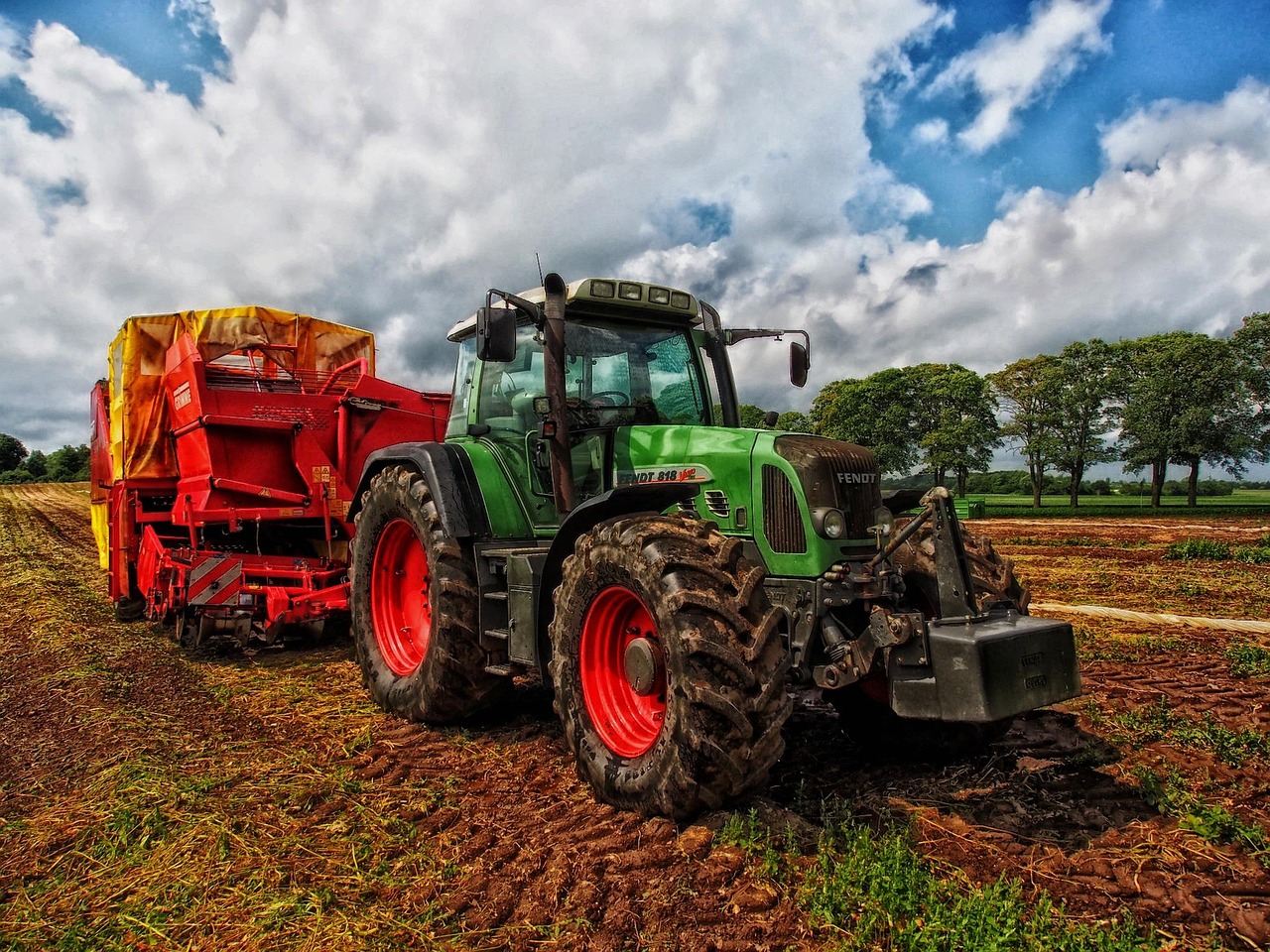
Modern farms run on complex machinery. A mechanic who can fix a $1 million John Deere harvester is often more valuable to a farmer than any other staff member.
- Focus: Machinery maintenance, GPS calibration, and irrigation tech.
- Sponsorship Likelihood: Critical Demand.
- Salary Range: $85,000 – $120,000 AUD.
3. Senior Dairy Farm Hands / Supervisors
The dairy industry in Victoria and Tasmania relies heavily on international talent. These are year-round roles, not seasonal.
- Focus: Herd health, milking systems management, and calf rearing.
- Sponsorship Likelihood: High (via the Dairy Industry Labour Agreement).
- Salary Range: $75,000 – $95,000 AUD.
4. Agronomists and Crop Scientists
Consultants who advise on soil health, pest control, and yield optimization.
- Focus: Sustainable farming practices and chemical management.
- Sponsorship Likelihood: High (Subclass 186/482).
- Salary Range: $80,000 – $115,000 AUD.
Eligibility & Mandatory Requirements
To qualify for a sponsored agricultural visa in 2026, you generally need to meet the following “Core Skills” criteria:
1. Experience & Qualifications
- For Managers: Usually a degree in Agricultural Science OR 5+ years of relevant experience.
- For Skilled Hands/Technicians: At least 2-3 years of full-time, verifiable experience in a similar role.
- Skills Assessment: Many roles (like Ag Technicians) require a skills assessment from VETASSESS or TRA to prove your competency.
2. English Language Proficiency
You must demonstrate a functional level of English.
- Requirement: Usually an IELTS score of 5.0 overall (with at least 4.5 in each band) or a PTE equivalent. Note: Some Labour Agreements allow for slightly lower English scores if you are working in a remote area.
3. Age Limit
For the Subclass 494 (Regional) and the transition to PR, you must typically be under 45 years old. However, some regional agreements (DAMAs) offer age exemptions up to 50 or 55 for high-value roles.
Salary, Benefits, and “On-Farm” Conditions
Farm jobs in Australia offer a unique compensation structure that often makes your “take-home” pay much higher than a city job.
- Accommodation: Most sponsored farm roles include free or heavily subsidized housing on the property. In 2026, this saves you roughly $20,000 – $30,000 AUD in annual rent.
- Vehicle: Managers and senior hands are almost always provided with a 4WD farm ute (vehicle) and fuel for work use.
- Meat/Produce Allowances: It is common for cattle farms to provide a “side of beef” or for dairy farms to provide milk as part of the package.
- Superannuation: Your employer must pay 11.5% on top of your base salary into your retirement fund.
Visa Pathways for Farm Workers
In 2026, there are three primary ways to get sponsored:
- Skills in Demand (Subclass 482) – Labour Agreement Stream: This is the most common for the Ag industry. It allows industries (like Horticulture or Meat Processing) to sponsor workers for roles that aren’t on the standard list.
- Skilled Employer Sponsored Regional (Subclass 494): The strongest pathway for those willing to live in “Regional Australia” (everywhere except Sydney, Melbourne, and Brisbane).
- DAMA (Designated Area Migration Agreements): Specific regions (like the Orana region in NSW or the Goldfields in WA) have their own lists that include “Lower-Skilled” roles like Fruit Pickers or Truck Drivers for sponsorship, which aren’t available elsewhere.
Step-by-Step Application Process for 2026
- Target the Right Region: Research which states need your specific skill. Dairy? Go for VIC/TAS. Grains? Focus on WA/NSW. Cattle? QLD/NT.
- Verify the Employer’s Status: Not every farm can sponsor. Use SEEK or LinkedIn and filter for “Accredited Sponsors” or “Visa Sponsorship Available.”
- Obtain “Tickets” and Certifications: Your chances skyrocket if you already have:
- Heavy Rigid (HR) Truck License.
- Chemical Application Ticket (ChemCert).
- Forklift License (LF).
- The “Aussie” Ag Resume: Highlight your experience with specific machinery (e.g., “3,000 hours operating Case IH tractors”) and your willingness to live in remote areas.
- Initial Interview: Most farmers will do a video call. They want to know two things: Can you do the work? and Will you stay in the bush?
Common Mistakes Applicants Make
- Mistake 1: Confusing “Seasonal Work” with “Sponsorship.” Standard fruit picking (backpacking) jobs rarely lead to 482 visa sponsorship. You need to target “Permanent” or “Full-Time” roles.
- Mistake 2: Underestimating the Climate. Working in 40°C heat in regional Queensland is a shock. Employers look for people who have worked in similar harsh environments.
- Mistake 3: Poor Documentation. If you can’t prove your 3 years of experience with tax records or payslips, the Department of Home Affairs will reject your visa, regardless of the job offer.
Tips to Improve Your Selection Chances
- Leverage Specialist Recruiters: Agencies like Agri Labour Australia and Rimfire Resources specialize in agricultural placements and often handle the sponsorship paperwork for the farmer.
- Get a Drone Pilot License: Precision agriculture is the future. Being a licensed UAV (drone) pilot for crop spraying or monitoring is a massive competitive advantage.
- Highlight “Multi-Skilling”: A farm hand who can also weld, fix a fence, and drive a truck is five times more likely to be sponsored than a specialist who only does one thing.
FAQs: Farm Jobs with Sponsorship 2026
Q1: Can I get sponsorship as a fruit picker?
Generally, no. Fruit picking is usually done on Working Holiday (417/462) or PALM visas. However, a Horticulture Supervisor who manages the pickers can be sponsored under the 482 visa.
Q2: Do I have to pay for my own visa?
Legally, the employer must pay the “Skilling Australians Fund” (SAF) levy and the nomination fee. You usually pay for your own visa application fee ($3,000+), though many Ag-employers offer to reimburse this after a 6-month probation.
Q3: Can I bring my family to the farm?
Yes. Most sponsored farm roles encourage families as it often leads to better long-term retention. On-farm housing is frequently large enough for families.
Q4: What is the “88-day” rule?
This is only for Working Holiday (417) visa holders. They must do 88 days of “specified work” (like farming) to get a second-year visa. This is not the same as permanent employer sponsorship.
Q5: Is there a minimum salary for farm sponsorship?
Yes. In 2026, the salary must be at least the TSMIT ($76,515 AUD) unless a specific Labour Agreement (like the Dairy or Horticulture ones) allows for a concession.